Restricted airflow cutting production capacity
We camera the trunk, measure CFM at each branch, and clean the full run with rotary and air whip tools. Most South Ogden plants recover 15 to 25 percent of design airflow after a first-time cleaning.
Industrial Air Duct Cleaning in South Ogden is built for plants, shops, and warehouses that cannot afford restricted airflow or dirty make-up air. We pull years of dust, metal fines, and grease out of sheet metal runs, then verify the result with a duct camera. If your production floor smells musty or your HVAC is short-cycling, call (855) 927-7517.
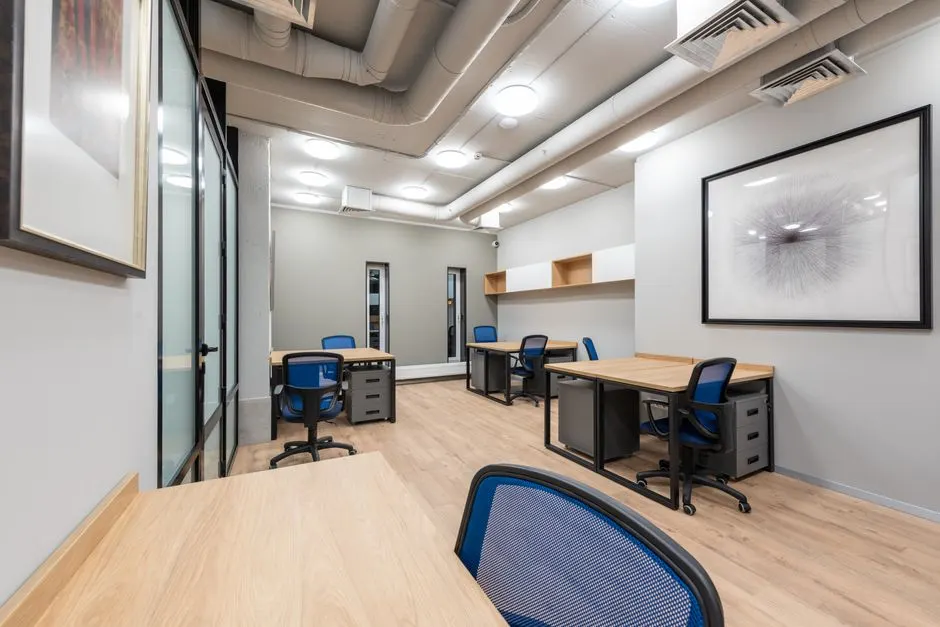
Industrial Air Duct Cleaning in South Ogden is the mechanical removal of dust, metal fines, oil mist, and microbial growth from commercial duct systems, air handlers, and exhaust runs. We start with a duct camera inspection, then run a negative air machine to keep the building under vacuum while a rotary brush and air whip travel the full length of each branch. Everything we pull out goes through a HEPA vacuum, not into your production space.
Most South Ogden plants sit along the Riverdale Road Corridor and Harrison Boulevard Corridor, where 20- to 40-year-old sheet metal duct has never been cleaned since the building went up. Add Weber County's dry summers and inversion-season dust, and you get restricted airflow, musty odors, and allergy flare-ups on the floor. If you have been searching for industrial air duct cleaning South Ogden UT near me, our crews work nights and weekends so production never stops.
Every industrial job includes camera inspection, negative pressure setup, mechanical cleaning of the full duct run, and post-clean verification. Coil cleaning, filter replacement, and sanitizing fog treatment are quoted separately because not every building needs them. You see the scope and the price before we start.
We send a duct camera through the main trunk and at least two branches before and after cleaning. You see the footage on our monitor, and it goes into your written report.
A negative air machine and HEPA vacuum keep the building under vacuum while we work. Nothing we loosen travels into your production space or onto stored product.
Rotary brush, flexible duct rod, and air whip clean the entire run, not just the first 10 feet. We replace any flexible duct that is torn or crushed beyond cleaning.
We pull every register cover, clean the boot and diffuser, and re-seat them. Supply air should not pass through a layer of dust on its way into the room.
You get before-and-after photos, airflow readings, and a NADCA-standard cleaning report. If any branch fails our inspection, we re-clean it before we invoice.
We walk the building with you, map every duct run, and send a duct camera through the main trunk and two or three branches. You see the footage on our monitor. This takes 45 to 90 minutes and tells us whether you need a full clean or a targeted one.
We seal registers with register covers, park a negative air machine at the trunk, and tie in a HEPA vacuum. The building stays under negative pressure the whole time, so nothing we loosen ends up on your product or your people.
A rotary brush and flexible duct rod run the length of each branch. Stubborn buildup gets an air whip or compressed air nozzle. On sheet metal duct we work section by section; on flexible duct we replace any run that is torn or crushed rather than trying to clean it.
While the duct is open we clean the evaporator and condenser coils with coil cleaner, check the duct insulation for tears, and install new HEPA filters or MERV filters matched to your unit. This is the step that keeps the cleaning from undoing itself in six months.
We re-run the duct camera, photograph each trunk, and hand you a before-and-after report with airflow readings. A typical 20,000 sq ft facility takes six to nine hours, and we can split it across two nights if you run a 24/7 line.
Purpose-built equipment, used by trained technicians — so the job is done accurately the first time.
Keeps the building under negative pressure during cleaning so dust and debris cannot escape into the work zone. Sized to the cubic footage of the duct system.
Captures everything the rotary brush and air whip loosen. We run Abatement Technologies HEPA units on industrial jobs because they hold up to continuous use.
Mechanical agitation tools that break buildup off the duct wall. The rotary brush handles sheet metal duct; the air whip reaches into corners and transitions.
Lets us see inside the run before and after cleaning. You watch the footage with us, and it becomes part of your written report.
Applies a fine mist of sanitizer to duct surfaces after cleaning when mold growth or microbial contamination is present. Used only where the camera shows a need.
Reaches tight transitions, elbows, and plenum corners where a brush cannot travel. Always paired with negative pressure so nothing escapes.
Pushes brushes and cameras through long horizontal runs and around bends. We keep multiple lengths on the truck for tall warehouse trunk lines.
Twenty-five years of metal fines and dust had built up to roughly 1/8 inch inside the main trunk. North-side registers were moving about 60 percent of design CFM, and the shop ran three auxiliary floor fans to keep the bay comfortable.
After two night shifts of cleaning with negative pressure and HEPA extraction, north-side airflow came back to within 10 percent of design. The shop dropped one floor fan and cut air handler run time noticeably.
A leaking coil drain had kept the duct above it damp for months. The camera showed mold growth in ducts along a 30-foot section, and the supply air carried a musty smell that failed an internal audit.
We cleaned the affected run under negative pressure, fogged it with a sanitizing fogger, and cleaned the coil and drain pan that caused the moisture. The audit passed two weeks later with no odor complaints.
Pest nesting in ducts near a loading dock door blocked one branch almost completely. The pick crew complained about allergy flare-ups, and airflow at the nearest registers was weak enough to affect temperature control.
We removed the nesting material with HEPA vacuums, cleaned and sanitized the branch, and sealed the gap around the duct penetration. Airflow returned to normal and allergy complaints stopped within a week.
Dirty industrial duct shows up as airflow loss, odors, and complaints long before it shows up on a maintenance report. Here are the problems we get called for most in Weber County.
Ask a pro →We camera the trunk, measure CFM at each branch, and clean the full run with rotary and air whip tools. Most South Ogden plants recover 15 to 25 percent of design airflow after a first-time cleaning.
We clean the affected runs under negative pressure, treat the duct with a sanitizing fogger, and fix the moisture source. If duct insulation is saturated, we replace that section rather than clean it.
We remove the nest material with HEPA extraction, clean and sanitize the run, and seal the access points pests used to get in. We also check intake screens and register covers for gaps.
Most commercial jobs in South Ogden run $1,800 to $6,500 in 2026, depending on linear feet, duct height, and how much coil and filter work is included. A small 5,000 sq ft shop with 300 feet of duct usually lands near $2,200. A 40,000 sq ft warehouse with rooftop units and long trunk runs can hit $6,000 or more. We quote per linear foot so you can compare bids directly.
Fluxvia does, and we are one of the few crews in Weber County set up for commercial duct rather than residential. We run negative air machines, HEPA vacuums, and duct cameras sized for 12- to 36-inch trunk lines. Call (855) 927-7517 and we will walk your building, send a camera through the main run, and give you a written scope the same week.
Most South Ogden factories and warehouses should be cleaned every 12 to 24 months. Food processing, welding, and woodworking operations need it every 6 to 12 months because grease and fines build faster. If your building pulls heavy outside dust during Weber County inversion season, plan on the shorter end. We set a reminder schedule after the first clean so you are not guessing.
Utah does not mandate routine duct cleaning for private industry, but OSHA 1910.1000 air contaminant limits and your fire code both apply to what builds up inside exhaust duct. Insurance carriers increasingly ask for documentation. We provide a NADCA-standard cleaning report with before-and-after photos and airflow readings, which is the paperwork most auditors and carriers want to see.
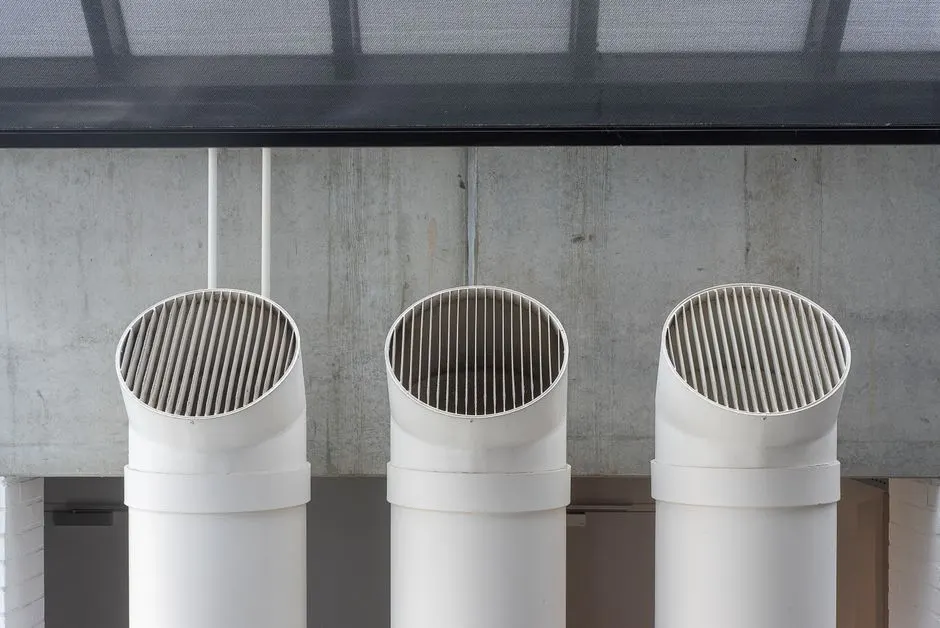 Air Duct Cleaning Near MeIf you searched air duct cleaning near me and landed on commercial work, we also run smaller commercial and large residential systems across South Ogden. Same trucks, same HEPA equipment, scaled to the building.Explore →
 24/7 Air Duct CleaningProduction does not pause at 5 p.m. Our 24/7 crews handle overnight industrial duct cleaning South Ogden jobs so your line runs while we work. Call and we will schedule the shift that fits.Explore →
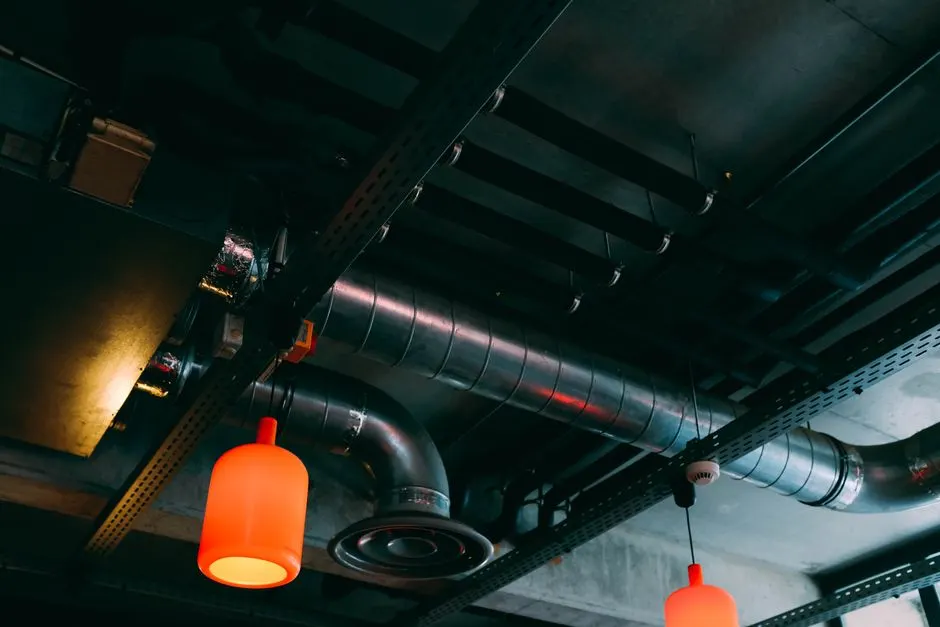 Emergency Air Duct CleaningWhen a duct fire, flood, or contamination event shuts a South Ogden plant down, we mobilize same-day with negative air machines and HEPA units. We document everything for your insurance claim.Explore →
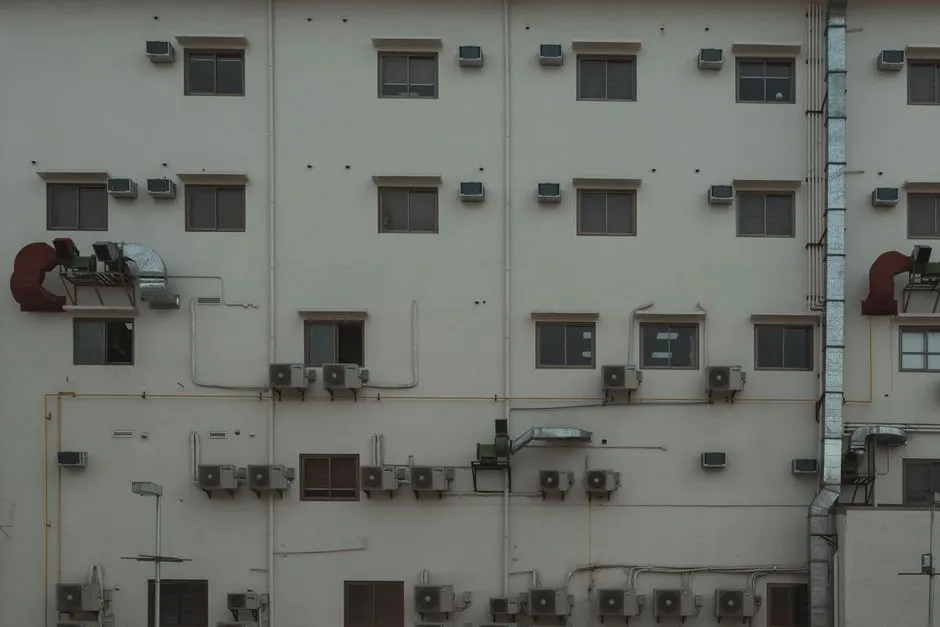 Residential Air Duct CleaningHomeowners in Shadow Valley and Country Hills call us for the same reason plant managers do: visible proof. We camera the trunk, clean with rotary equipment, and show you the footage before and after.Explore →Commercial Air Duct CleaningRestaurants, offices, and retail spaces along Harrison Boulevard Corridor need duct cleaned on a shorter cycle than factories. We handle grease-laden kitchen exhaust and standard HVAC trunk in one visit.Explore →
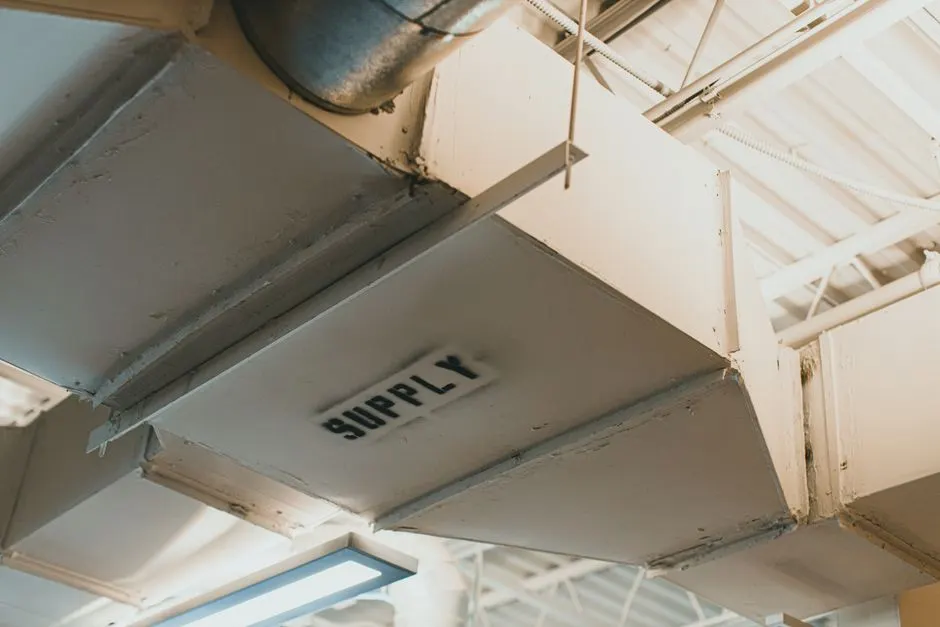 HVAC Duct CleaningIndustrial HVAC duct cleaning covers the air handler side as well as the duct. We clean coils, swap filters, and check duct insulation while the system is open, so you get one invoice instead of three.Explore →
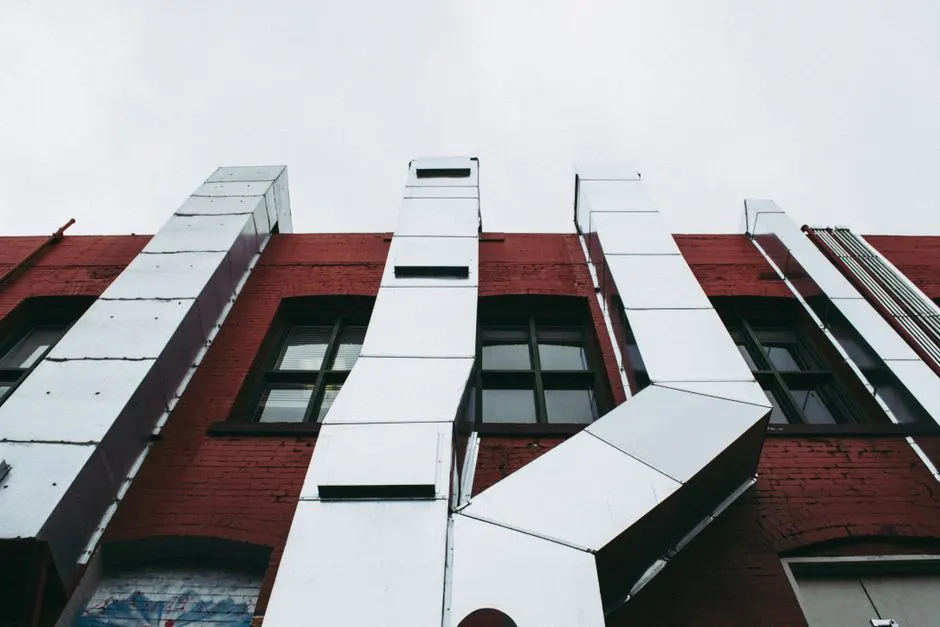 Furnace and Duct CleaningFor shops with gas-fired make-up air units, we clean the furnace cabinet, heat exchanger surfaces, and the duct feeding it. Dust on a heat exchanger is a fire risk and a efficiency drag.Explore →
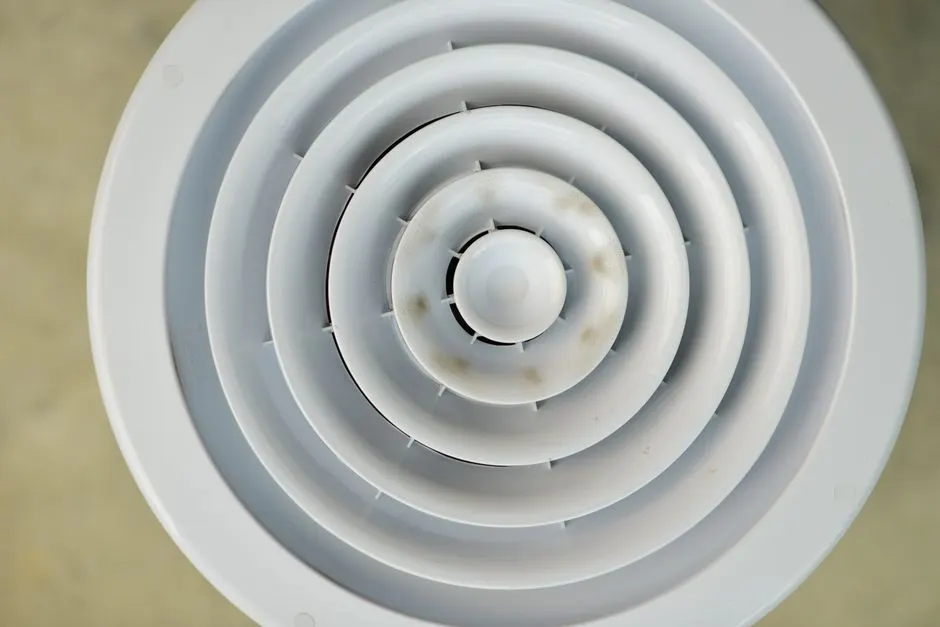 Air Vent CleaningRegister and diffuser cleaning is part of every industrial job we run. We pull covers, clean the boot, and re-seat them so supply air is not blowing through a layer of dust on the way out.Explore →
One call gets you a walkthrough, a camera inspection, and a written scope with pricing. We are licensed, insured, and NADCA-trained, and we work nights so your line keeps running. Call (855) 927-7517 and we will schedule your South Ogden facility this week.
Get a Free Quote (855) 927-7517 →Call (855) 927-7517 or email info@fluxvia.com and we will get you on the schedule, usually the same day you reach out. We answer the phone between 8 a.m. and 6 p.m. on weekdays, and emergency dispatch runs 24/7 for water, pest and puffback calls.